PEDvolution at Enlit Europe 2026: Connecting Smart Communities and the Future of Energy
PEDvolution participated in Enlit Europe 2026, held in Vienna, Austria, from 10 to 12 November 2026. Bringing together stakeholders from across the European energy sector, the event provided an opportunity to showcase innovation, exchange knowledge and explore collaboration towards a more sustainable, digitalised and resilient energy system.
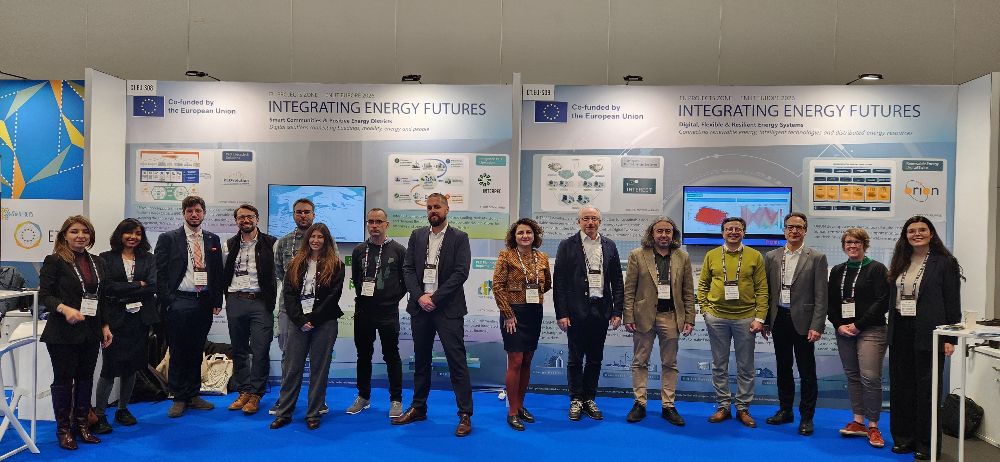
PEDvolution was represented by its partner OFFSET Energy in the EU Projects Zone, joining nine other EU-funded projects under the shared theme “Integrating Energy Futures.” The joint initiative brought together projects working on complementary aspects of the energy transition, creating opportunities to present their approaches, connect with stakeholders and explore potential synergies.
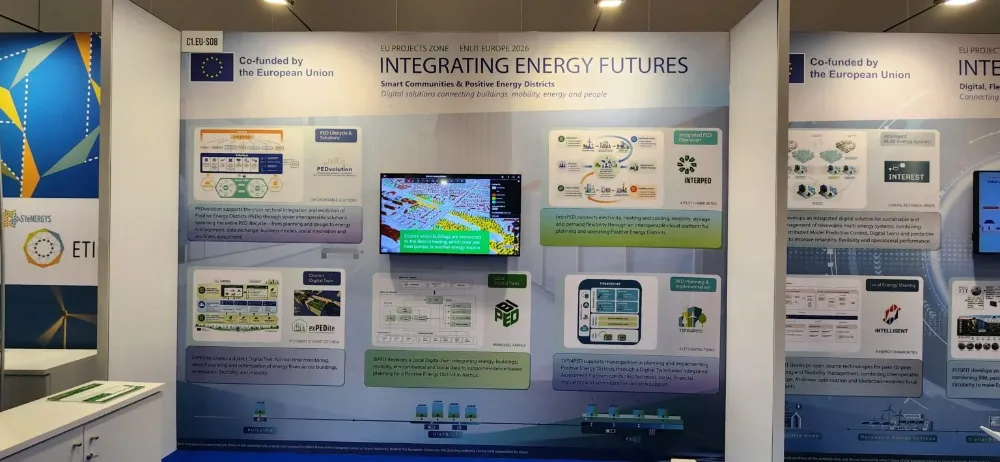
Showcasing Digital Solutions for Positive Energy Districts
PEDvolution was part of the thematic cluster “Smart Communities & Positive Energy Districts: Digital Solutions Connecting Buildings, Mobility and People,” alongside InterPED, ExPEDite, BiPED and TIPS4PED. The projects shared a common interest in developing digital approaches that connect buildings, mobility, energy systems and communities, supporting the transition towards smarter and more sustainable urban environments.
The cluster was represented at Booth C1 EU-S08 in the EU Projects Zone. Throughout the event, visitors had the opportunity to meet project representatives, learn about the initiatives and exchange ideas on how digital innovation can support the development and implementation of Positive Energy Districts (PEDs).
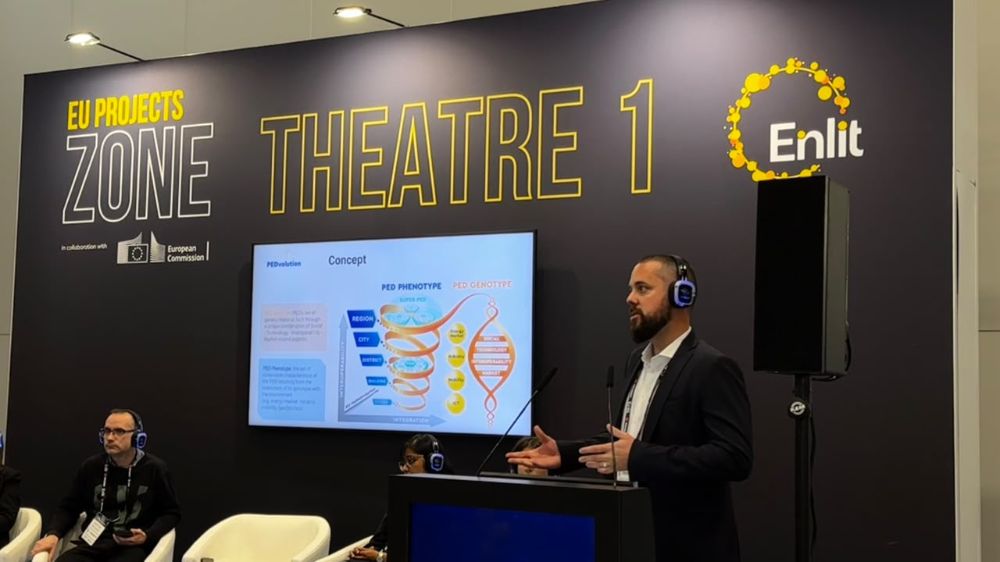
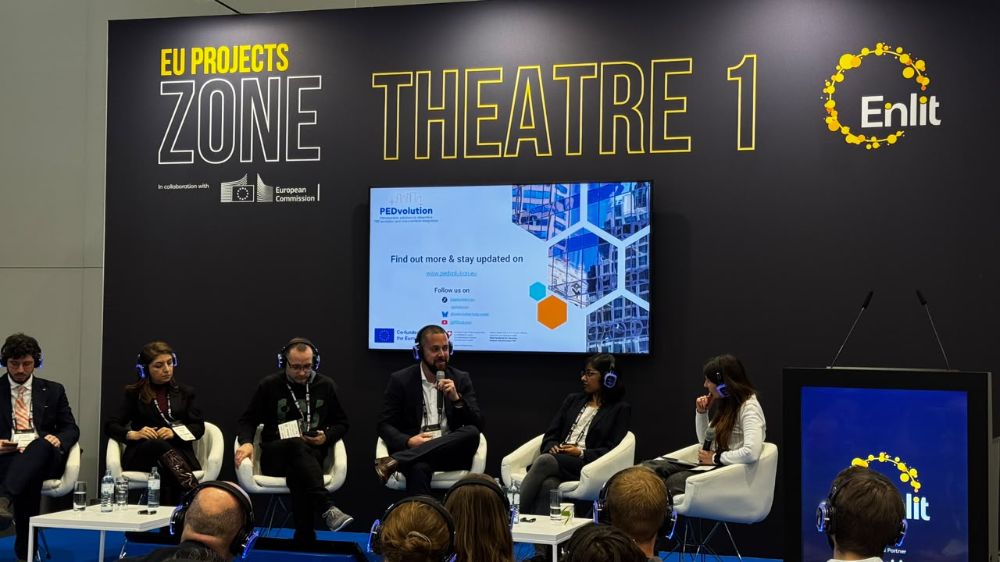
As part of the programme, PEDvolution also contributed to a dedicated speaker session on 11 November, from 12:00 to 13:00, at EU Projects Zone Hub 1 (Hall C). The session focused on smart communities and Positive Energy Districts, providing a platform to discuss how digital solutions can support the integration of buildings, mobility, energy systems and people.
Connecting Energy Innovation Across European Projects
The wider Integrating Energy Futures initiative also included a second thematic cluster, “Digital, Flexible & Resilient Energy Systems: Connecting Renewable Energy, Intelligent Technologies and Distributed Energy Resources.” This brought together INTEREST, ORION, INTELLIGENT, POSIFIT and ECS4DRES, with a dedicated speaker session on 11 November from 13:00 to 14:00.
Together, the two clusters highlighted the connections between different areas of energy innovation. From digital solutions for Positive Energy Districts and smart communities to renewable energy integration, intelligent technologies and distributed energy resources, the participating projects addressed complementary challenges in the transition towards more flexible and resilient energy systems.
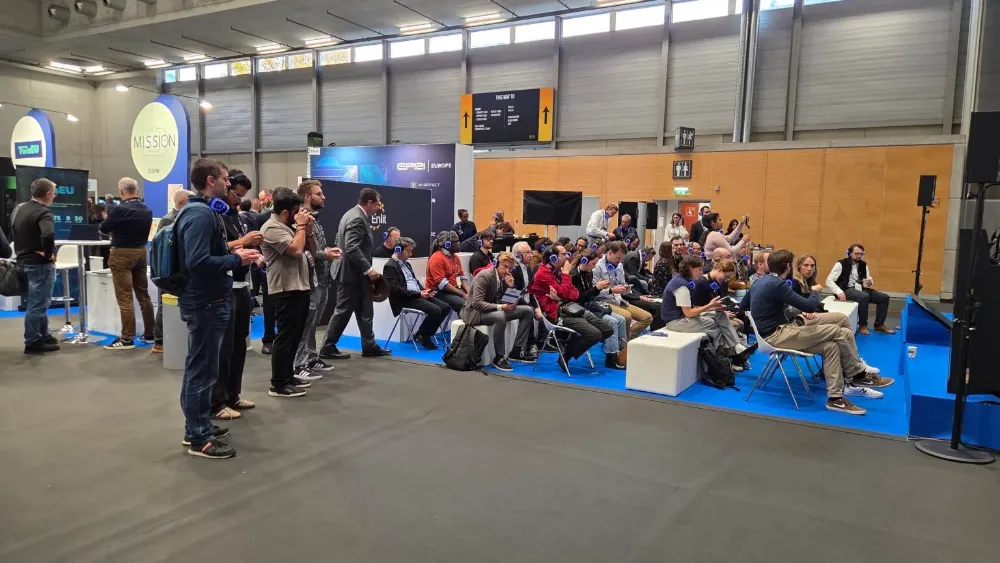
The joint presence also created opportunities for networking, knowledge exchange and discussions on future collaboration and exploitation pathways, underlining the value of cooperation between European research and innovation projects.
Strengthening PEDvolution’s Visibility and Collaboration Opportunities
PEDvolution’s participation in Enlit Europe 2026 provided an opportunity to increase the visibility of its work and connect with a wider community of energy stakeholders. Engagement with projects working on complementary solutions also offered scope for knowledge exchange and future collaboration.
These connections are particularly relevant to PEDvolution’s work on integrated solutions for PED planning, readiness assessment, energy management, data exchange, social innovation and business models. They can support the exchange of experience, strengthen the replicability of successful approaches across different contexts and create matchmaking opportunities between projects, stakeholders and potential partners to foster future collaboration and wider uptake of project results.
Through its participation, PEDvolution contributed to the European dialogue on how digital innovation, integrated energy solutions and collaboration can support smarter, more sustainable and resilient communities.
Key Takeaways
- Integrated solutions: Connecting buildings, mobility and people is key to developing smart communities.
- Interoperability: Effective data exchange helps link technologies, platforms and energy assets.
- Flexible energy systems: Renewables and intelligent technologies support more resilient energy systems.
- Collaboration: Exchange between EU projects creates opportunities for knowledge sharing and wider uptake of results.