PEDvolution’s 4th General Assembly: Strengthening solutions, Collaboration and Future Uptake
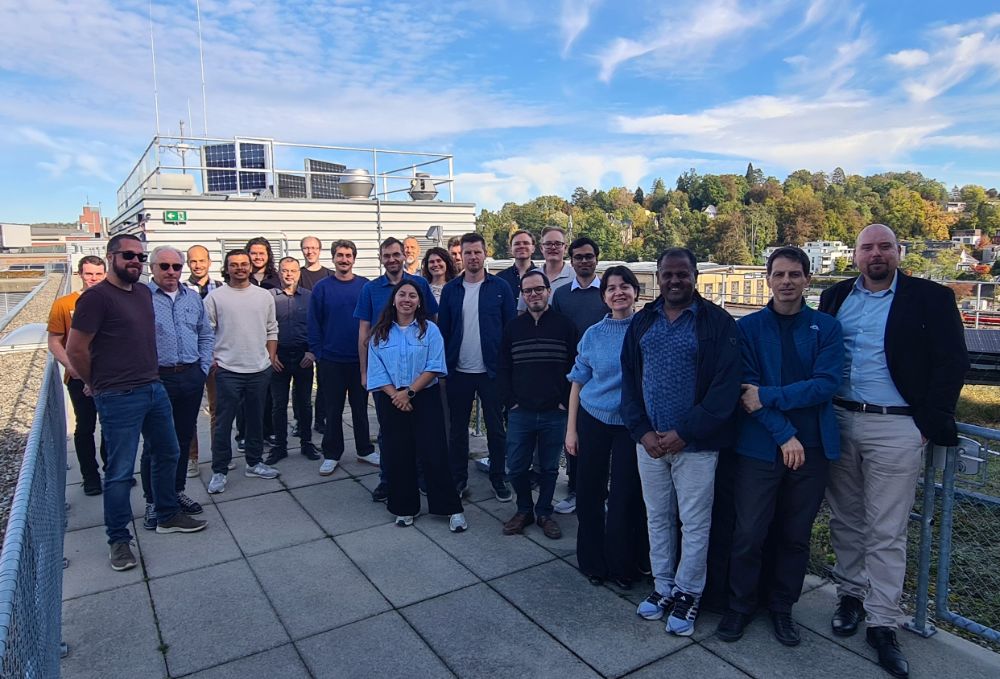
On 14–15 October 2026, PEDvolution partners gathered in Winterthur, Switzerland, for the project's 4th General Assembly, hosted by the Zurich University of Applied Sciences. The two-day meeting brought together consortium partners, joined by the Follower PEDs, to review progress, exchange experiences and coordinate the work ahead, with a particular focus on the testing, integration and refinement of PEDvolution's solutions, as well as their continued use beyond the project.
The first day focused on the overall project status, progress across the work packages and follow-up to recommendations from the first periodic review. Partners reviewed ongoing technical developments, project KPIs, outstanding challenges and the planning of the remaining activities. Particular attention was given to coordinating testing across the different solutions and PEDs, addressing data requirements and ensuring that the necessary technical inputs and evidence are available for the next implementation stages.
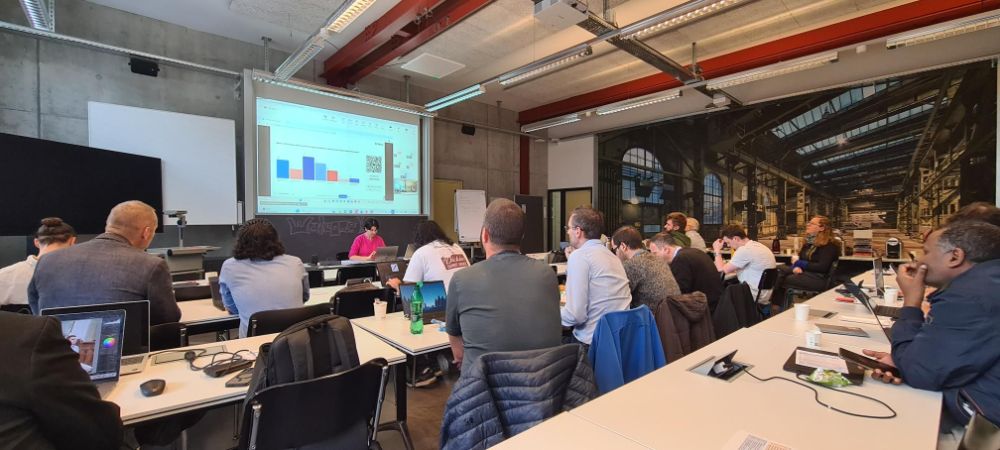
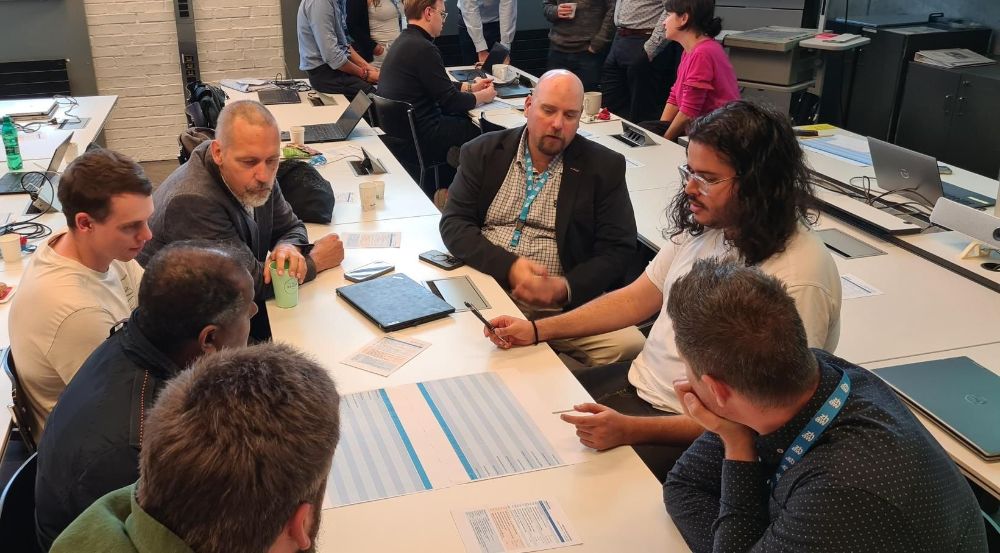
A key part of the programme was an interactive workshop on PEDvolution's post-project legacy, exploitation and sustainability. Through a voting exercise, participants focused on three of the project’s Key Exploitable Results with strong potential for continued use and impact: the PED Energy Manager, PED Readiness Assessment (PED-RA) and PED Design and Planning Toolset. Working in small groups, partners explored potential owners and hosts, target users, sustainability requirements, common barriers and possible follow-up initiatives. The discussions provided an initial basis for developing realistic pathways for the continued use and further development of these results. Dedicated follow-up workshops are planned for early 2027 to explore the exploitation potential of each exploitable result in greater depth.
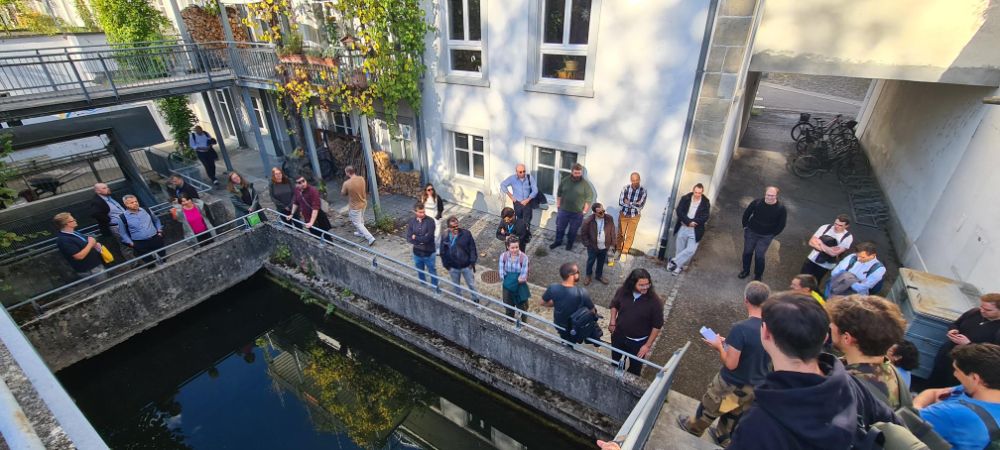
The programme also included visits to Gemeinschaft Hard and Oberwinterthur, giving participants the opportunity to explore local PED developments, learn from Winterthur’s experience and exchange insights on approaches to the energy transition. The visits provided a valuable link between the consortium’s technical work and its practical implementation in local contexts, highlighting the experiences and challenges involved in developing Positive Energy Districts.
The second day focused on the implementation and testing of PEDvolution’s solutions, with active participation and contributions from the follower PEDs. Partners reviewed testing plans and assessed progress in integrating energy assets and enabling data exchange between platforms. The discussions highlighted the interdependencies between the different tools, as well as outstanding challenges related to data availability, connectivity and system integration. This exchange helped identify priorities and clarify the actions needed to move towards coordinated testing and validation across the PEDs.
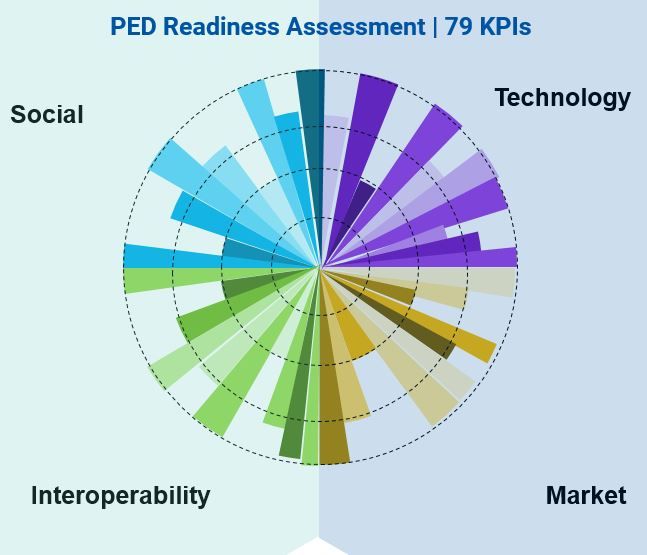
Dedicated sessions provided updates on four horizontal solutions. For the Dynamic Decision Support Guideline (DDSG), partners discussed the remaining steps for user-interface integration, data requirements and coordination with the PED Readiness Assessment (PED-RA), particularly in the follower PEDs. The PED-RA session presented the results of the first assessment round, completed across all co-developer and follower PEDs, and gathered feedback to inform further improvements. A second assessment round is planned for early 2027. Discussions on the Social Innovation Tool focused on stakeholder engagement and remaining activities, while the Business Model Innovation Tool session addressed the completion of PED-specific inputs and the identification of social entrepreneurs.
Partners also reviewed the framework for assessing PED performance across technological, market, interoperability and social dimensions. The discussion highlighted the need for consistent baseline data, clearly defined KPIs and reliable evidence from each PED to support a robust evaluation of project results.
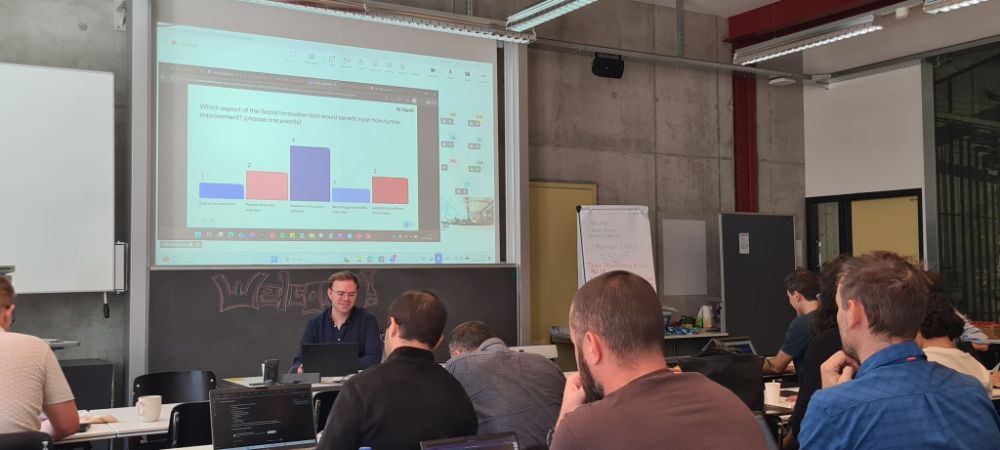
The programme further included demonstrations of the user interfaces of three planning solutions: the Dynamic Decision Support Guideline, Digital Twin Planning Tool and District Heating and Cooling Planning Tool. Participants provided feedback through evaluation surveys, helping identify areas for further refinement and informing the upcoming testing activities.
The General Assembly concluded by identifying the priorities for the months ahead: advancing testing and validation across the PEDs, addressing remaining integration and data requirements, refining the solutions based on user feedback, and developing pathways for their continued use and exploitation.
Overall, the meeting strengthened coordination across the consortium and helped align technical progress with the project’s broader objectives. As PEDvolution moves towards its final phase, partners will focus on consolidating the results and demonstrating the potential of the developed solutions to support the development of Positive Energy Districts.
As PEDvolution moves towards its final phase, partners are working together to complete the testing and validation of its tools, strengthen their integration across the six PEDs, and prepare the ground for their continued use beyond the project.